
Yes, reducing alcohol consumption can help lower blood pressure, particularly if you’ve been drinking heavily or regularly. Cutting back on alcohol also reduces the risk of related health issues, such as stroke, heart attack, and heart failure. Understanding how alcohol influences blood pressure is crucial for heart health.
Increased Cortisol (Stress Hormone) Levels
A stroke, aside from potentially being fatal, can cause disabilities in speech, movement, and other basic activities. Lastly, high blood pressure during middle age has been linked to poorer cognitive function and dementia later in life. Elevation Behavioral Health is an upscale residential treatment center fully dedicated to the most innovative treatment of mental health disorders. Through engagement in activities that reinforce sobriety, the chances of maintaining a sustained recovery are greatly improved. Individuals in early recovery are bound to encounter challenges to sobriety. These challenges may be emotionally overwhelming, possibly triggering a relapse.
Your ongoing care team for mind & body.

While additional studies are needed, researchers do not recommend drinking wine or other forms of alcohol to promote heart health. As the body metabolizes alcohol, other mechanisms kick in that can lead to a rebound increase in blood pressure. In some cases, people with certain medical conditions or who are taking specific medications may be more prone to experiencing a significant drop in blood pressure when they drink. If you feel dizzy or faint after consuming does alcohol cause low blood pressure alcohol, it’s wise to discuss this with a healthcare professional. Heavy drinking can cause low blood pressure through multiple mechanisms, including vasodilation, dehydration, autonomic impairment, and cardiac dysfunction. Proper diagnosis, treatment, and prevention focus on reducing alcohol intake, managing complications, and supporting cardiovascular health.
Can Alcohol Withdrawal Cause High Blood Pressure?
When excess renin is released, it results in the overproduction of the hormone aldosterone, which is responsible for water and salt retention in the body. Too much renin and aldosterone increase blood volume and vascular resistance, leading to high blood pressure. Research says that moderate alcohol users are alcoholism treatment 53% more likely to develop high blood pressure (BP) than nondrinkers.
- The final stage, starting at day 4 and lasting 3-5 days, is the phase when symptoms begin to subside.
- Reducing intake or abstaining altogether, especially for individuals with existing high blood pressure, is essential to lower the risk of severe health complications.
- Heavy or repeated binge drinking puts stress on blood vessel walls, causing them to narrow.
- Although some of the after-effects of excessive drug use may vary, depending on the drugs used, they usually emphasize the emotional and physical functions that were being suppressed in the first place.
Its effects depend on the amount consumed, frequency, and individual factors such as genetics and health status. Alcohol detoxified and removed from the blood through a process called oxidation. Oxidation prevents alcohol from accumulating and destroying cells and organs. Your weekly get-togethers often involve a drink or two and getting home from work may have you reaching for a beer before you sit down to relax.
Increased Risk of Hypertension
Withdrawal symptoms are in response to the brain and central nervous system having made adjustments over time in response to the alcohol. Brain hyper-excitability ensues when the alcohol is withheld, leading to a range of highly uncomfortable symptoms. When facing the prospect of getting treatment for an alcohol use disorder, the thought of going through the detox and withdrawal stage may seem daunting. This initial hurdle, one that is essential to recovery, may be so dreaded that it becomes a serious barrier to treatment. In this event it is important to take the long view, to envision detox as just a short-lived challenge to overcome in order to enjoy a life free from the grip of alcohol.
- Repeated episodes of binge drinking—defined as drinking large quantities of alcohol in a short period—can cause persistent increases in blood pressure over time.
- Its two major elements, 1) the heart and 2) blood vessels, have a critical role in circulating blood and oxygen throughout the body.
- Certain individuals may be more susceptible to the effects of alcohol on blood pressure.
- Explore the effects of alcohol on the body and learn how to manage your blood pressure for better health.
Addiction Resource team has compiled an extensive list of the top drug rehabilitation facilities around the country. Founded in 2014, Addiction Resource provides free support and guidance for addiction recovery. Furthermore, alcohol is a depressant and depressants are bad for low blood pressure. Ethanol can also impair the liver’s ability to metabolize hormones that control blood pressure, such as renin and angiotensin. To effectively manage low blood pressure, you should consume fluid-rich foods like soups, fruits, and vegetables and avoid diuretic-rich foods like coffee, tea, and alcohol.

As you cut back on drinking, reducing the intensity of each episode is just as important as decreasing total amounts. Prioritizing mindful, moderate habits better supports healthy blood pressure. Let us start by making sure that you know that alcohol withdrawals is something you do not want to go through alone.
Which Medications Are Commonly Prescribed for Alcohol Withdrawal?
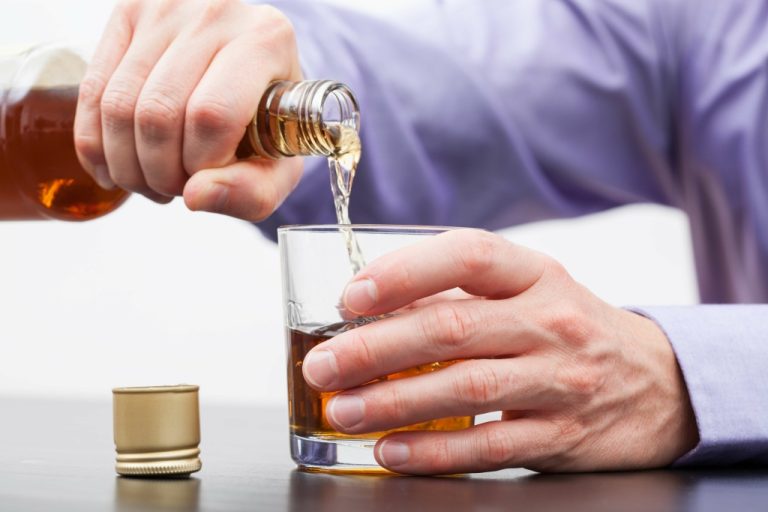
When starting an alcohol detox program at a treatment center equipped to treat substance abuse, you will first undergo an intake evaluation. Health status, addiction history, and mental health history will be assessed in an effort for the provider to anticipate any potential risks during the detox process. The severity of symptoms is determined https://winstar365.org/strategies-to-overcome-shame-and-guilt-in/ by various factors identified during the initial evaluation.
